.png)
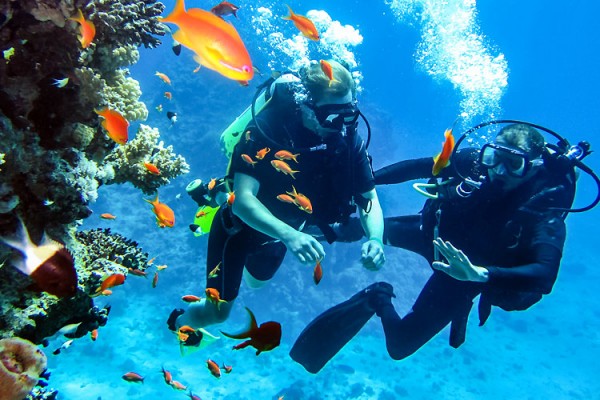
Scuba diving in the Andaman Islands is one of the most unforgettable adventures in India. The waters of the Andamans are extremely clear, the coral reefs are colourful, tropical marine flora and fauna, and the perfect sites for diving have made the destination a dream come true for divers from all over the world. The islands have activities for every level of diving, from diving for the first time without any fear of water to advanced diving to experience as a full-time diver. The great diversity of marine life under the water's surface is what makes scuba diving in Andaman really special.
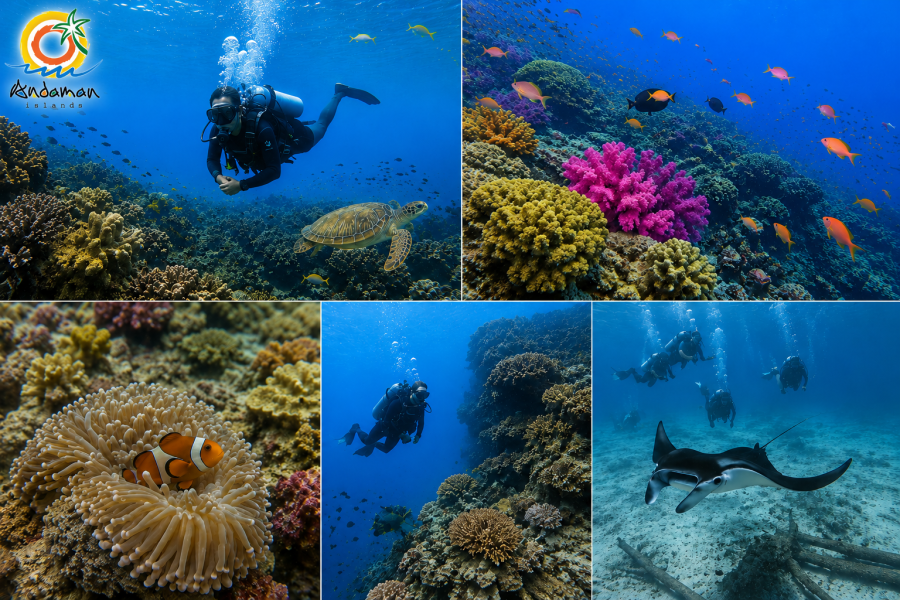
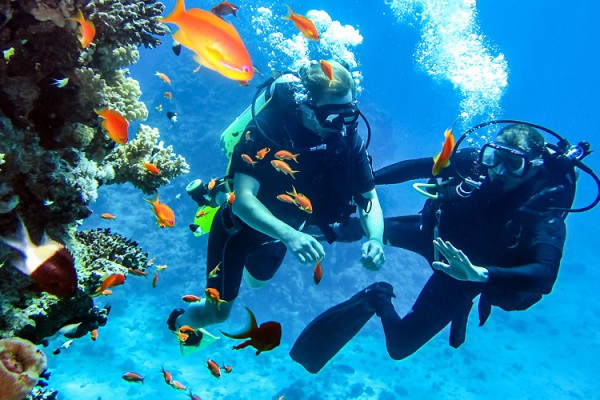
Dive in warm tropical waters and enjoy the excellent visibility with colourful coral pasture, clownfish, sea turtles, rays, barracudas, reef sharks, and loads of species of tropical fish. Areas with a lot of diving activity, such as Havelock Island, Neil Island, and North Bay, offer perfect training and recreational diving locations. This comprehensive guide of scuba diving in Andaman would include all the things that you must know about scuba diving for beginners, non-swimmers, travel and diving packages, cost of diving, Age limit, best dive sites, safety tips, scuba diving timings, and some practical tips of travel.
|
No. |
Course Name |
Price + 18% GST |
|
1 |
PADI Open Water Diver Course |
35,000 + 18% GST |
|
2 |
PADI Advanced Open Water Diver Course |
30,000 + 18% GST |
|
3 |
PADI Emergency First Responder (EFR) |
15,000 + 18% GST |
|
4 |
PADI Rescue Diver |
30,000 + 18% GST |
|
5 |
PADI Scuba Diver Course |
20,000 + 18% GST |
|
6 |
PADI Enriched Air (Nitrox) Diver Course |
10,000 + 18% GST |
|
7 |
PADI Deep Diver Speciality Course |
20,000 + 18% GST |
|
8 |
PADI Night Diver Course |
15,000 + 18% GST |
|
9 |
PADI Seal Team |
15,000 + 18% GST |
|
10 |
PADI Wreck Diver Course |
20,000 + 18% GST |
|
11 |
Peak Performance Buoyancy Speciality |
15,000 + 18% GST |
|
12 |
PADI Basic Freediver Course |
NA |
|
13 |
PADI Advanced Freediver Course |
NA |
|
14 |
PADI Assistant Instructor Course |
55,000 + 18% GST |
|
15 |
PADI Divemaster Course |
55,000 + 18% GST |
|
16 |
PADI Bubblemaker Program |
8,000 + 18% GST |
|
17 |
PADI Discover Scuba Diving (Boat) |
5,500 + 18% GST |
|
18 |
PADI Discover Scuba Diving (Shore) |
3,500 + 18% GST |
|
19 |
PADI Boat Diver Course |
15,000 + 18% GST |
|
20 |
PADI Drift Diver Course |
15,000 + 18% GST |
|
21 |
PADI Underwater Naturalist Course |
15,000 + 18% GST |
|
22 |
PADI Digital Underwater Photographer Course |
25,000 + 18% GST |
|
23 |
PADI Project Aware Course |
12,000 + 18% GST |
|
24 |
PADI Master Freediver Course |
NA |
|
25 |
PADI Freediver Course |
NA |
|
26 |
PADI Underwater Navigator Course |
20,000 + 18% GST |
|
27 |
PADI Emergency Oxygen Provider Course |
15,000 + 18% GST |
|
28 |
PADI Speciality Instructor Course – MSDT Prep |
25,000 + 18% GST |
|
29 |
PADI Master Instructor Course – Staff Instructor |
50,000 + 18% GST |
|
30 |
PADI Master Scuba Diver Course |
NA |
|
31 |
PADI Open Water Scuba Instructor Course |
1,10,000 + 18% GST |
|
32 |
PADI Digital Underwater Videographer Course |
25,000 + 18% GST |
|
33 |
PADI Advanced Rebreather Diver Course |
NA |
|
34 |
PADI ReActivate Scuba Refresher Program |
5,000 + 18% GST |
NOTE: These are the 34 exclusive courses offered by Dive Andaman for scuba diving in the Andaman Islands. Prices may also vary during peak tourist season.
The number of people living and vacationing in Havelock Island is growing, and Neil Island is becoming more serene, quiet, and calm for scuba diving. It's not only because of the excellent diving conditions, but it's also because of the clear waters on the island and the vigorous growth of the corals, even for the divers with little experience and who like to go diving without bothering the rest of the diving community. The number of dive sites available gives unparalleled views of stunning, colourful reefs, tropical fish species, and underwater scenes with minimal underwater activities. Neil Island is quite appealing to travellers who enjoy close-up diving and its relaxed atmosphere and mesmerising marine life. The island also offers great shooting for underwater narrations, very little worries about turbulence, and great visibility for underwater.
Popular Dive Sites
Ideal For
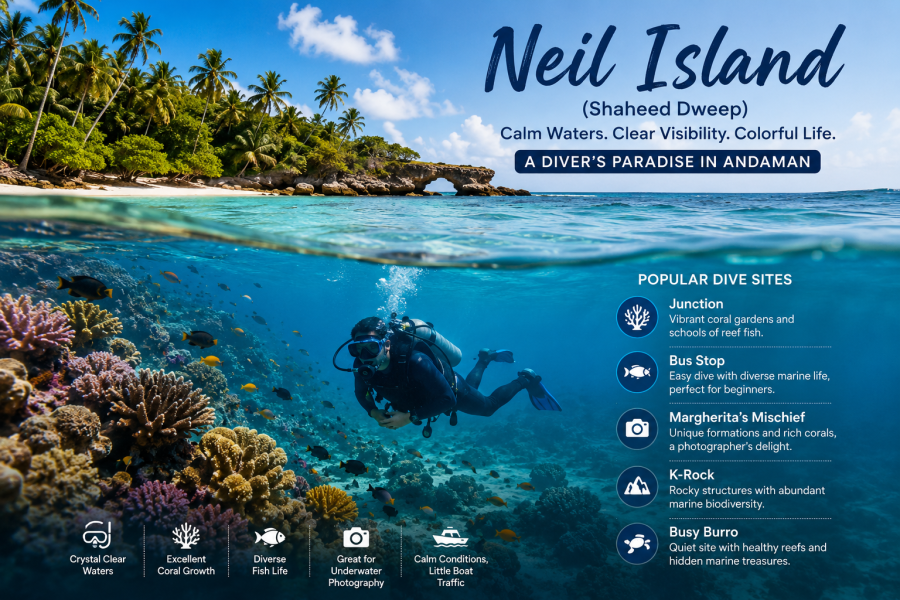
Its unobtrusive Neil Island is becoming a calmer, quieter, and peaceful destination for the diving community while the island grows busier by the day. The island is popular with divers, offering the best crystal clear waters, excellent coral growth, and generally fairly easy dive conditions, particularly for the beginning and casual diver. The abundance of dive sites provides incredible glimpses into vibrant reefs, diverse fish life, and unknown underwater features, sparsely populated by any vessel underwater. Neil Island will be the most attractive for those travelling for their intimate experiences and its laid-back ambience and aquatic beauties. The island also offers great photo opportunities for underwater shots, great visibility, and little to worry about from the turbulence.
Popular Dive SitesNorth Bay Island, much of which is preferred by quick, yet relatively easy, divers, is one of the closest and easiest island diving spots near Port Blair. The island offers relaxed waters, shallow reefs, and beginner and non-swimmer level dives. Port Blair is an interesting town, and many of the visitors make a half or full day excursion out of Port Blair and visit North Bay. It's also an ideal family vacation spot and a great place for those seeking a day out. It also has scuba diving, sea walking, a glass-bottom boat, and snorkelling. North Bay has it all for beginners - convenient, marine beauty, and activities to take advantage of.
Popular Dive Areas
Ideal For
|
Dive Type |
Minimum Age |
|
Discover Scuba Diving |
10 Years |
|
Junior Open Water Certification |
10 Years |
|
Advanced Courses |
12–15 Years |
|
Fun Dives for Certified Divers |
Depends on certification |
Of course, anyone who does not swim can give scuba diving a try in the Andaman. Discover scuba diving courses are tailored for beginners and non-swimmers to safely explore the underwater world.
Professional Teachers are there with the divers during the entire experience and manage the majority of the dive process. The participants are given instruction (hands-on practice) in basic breathing patterns and communication techniques in shallow water before progressing to deep water.
Scuba diving and diving in Andaman are mostly safe to get done with certified dive operators and trained diving instructors. Professional dive centres adhere to safety measures, wear the proper equipment, and perform training on dive practice before the actual dives.
Safety Measures Followed
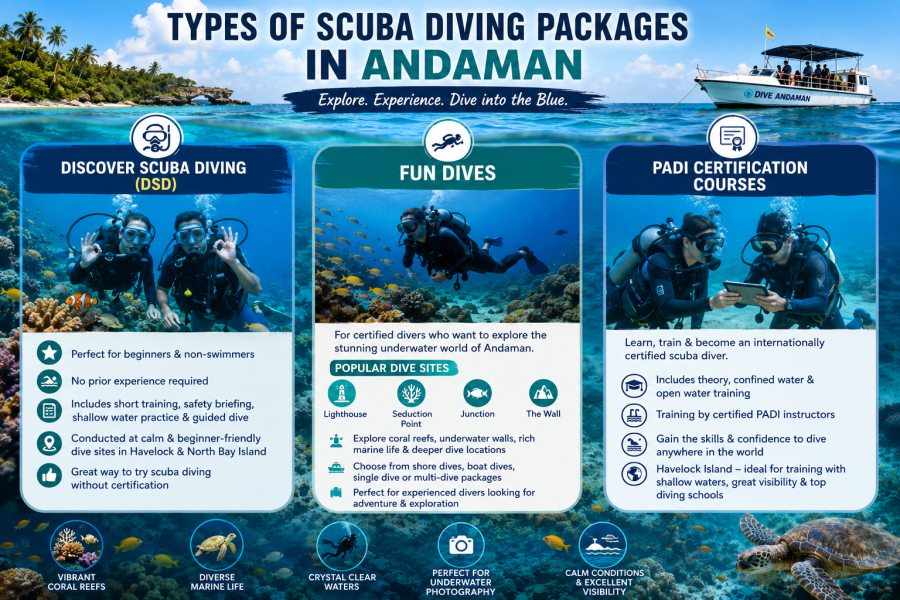
For individuals who have just come to try scuba diving or even non-swimmers, Discover Scuba Diving, or DSD, is really the most popular experience of scuba diving in Andaman. It is available for all levels of swimming and diving experience, and is suitable for beginners who want to experience diving without learning how to swim. Participants participate in a brief dive training session, safety briefing, shallow water practice, and receive instruction and guidance directly in the water provided by certified diving instructors during the dive. Most DSD experiences have been conducted at low-velocity and beginner-friendly dive sites in Havelock and North Bay Island. A great choice for visitors who want to try out scuba diving without having to enrol in a scuba certification program.
Fun dives are offered for the scuba diver interested in having some fun, learning a little about the sub aqua world/world under the sea of the Andaman, but not motivated to complete any additional dive training courses. Depending on dive certification and experience, one can visit several dive sites that allow for sighting coral reefs, marine life, underwater walls, and going deeper. Lighthouse, Seduction Point, Junction, and The Wall are some of the most popular sites to dive, and where the marine life and clarity are excellent. The diver can choose between shore diving, boat diving, and single or multi dive packages, based on their preference. It is the perfect dive for the advanced divers who wish to take the time to explore Andaman's world-class underwater ecosystems.
For those who want to learn scuba diving and gain professional skills underwater, PADI certification courses in Andaman are perfect for travellers who want to be internationally certified scuba divers. These courses are designed to be a mix of theory training, confined water, and open water training provided by certified instructors. Divers will gain a sense of independence and will be able to dive on their own around the world or in deeper waters safely when certified. The waters of Havelock are particularly sought after for scuba diving courses as they are shallow, have good visibility, and have professional scuba diving schools. Taking a course for certification to dive in Andaman teaches you the skills and how to avoid dangerous situations, but also offers the chance to experience a tropical marine environment up close and personal.
Popular Certifications
Ideal For
It is definitely recognised, Dive Andaman is one of the best-known scuba training centres in Andaman, with internationally recognised scuba training courses, and is equipped for children to start training. The dive centre has also been instrumental in the development of the diving scene in the Andaman Islands by training the scuba diving team, which set a Guinness World Record in the Andaman Sea. The divers of all types are catered to by the Dive Andaman diversion with its highly structured PADI certification program that includes all levels from Discover Scuba through Divemaster training courses. The centre has professional diving instructors, high-quality diving technology, and is ideal for people to gain confidence in diving underwater and gain skills using the renowned diving spots on Havelock Island. It is for this reason that many divers intentionally choose Dive Andaman for their reputation and safety measures, as well as their high-quality scuba training with an emphasis on the Andaman.
|
Season |
Months |
Diving Highlights |
Best For |
|
Winter Season |
Oct – Feb |
Crystal-clear visibility, calm seas, pleasant weather |
Beginners, PADI courses, fun dives |
|
Summer Season |
Mar– May |
Warm water, vibrant marine life, and excellent underwater photography |
Certified divers, underwater photography |
|
Shoulder Season |
Sep & Oct |
Fresh visibility and comfortable diving conditions |
Relaxed diving experiences, fewer crowds |
NOTE: Morning dives are generally considered the best for scuba diving in Andaman.
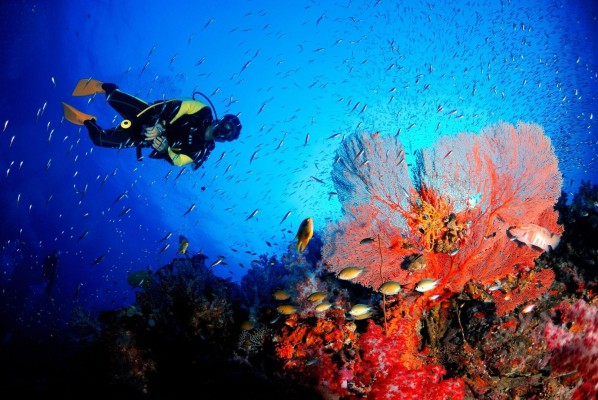
The underwater ecosystem here in Andaman is equally colourful and diversified, and is one of the most colourful marine ecosystems, which is fit for diving underwater and snorkel diving in the Andaman Sea and oceans. Plenty of wonderful corals, fantastic fish, rays, sharks, morays, barracuda, clownfish, and all sorts of sea life can be found on the reefs on the islands! The long and warm waters of the tropics and excellent opportunities for underwater viewing offer up reef conditions and coral gardens in good health. There are different kinds of underwater karsts depending on the site, from reefs to walls, in and around Havelock Island, Neil Island, and North Bay. There is much to explore for many travellers in the depths of the waters of the Andaman: movement, colour, marine biodiversity, and a whole new ecosystem.
NOTE: All professional diving equipment is generally provided by the dive centre.
NOTE: Always disclose medical history honestly before diving.
This beginner scuba diving experience in Andaman will typically take from 1.5 – 3 hours, that is to say, registration, briefing, equipment setup, shallow water training, transfer from the boat to the water, and an underwater dive. Certified Instructors take novices through step-by-step stages in order for them to feel comfortable before they are in deeper water. This may differ for each dive package depending on weather and water visibility, and the participant's comfort level underwater. Boat dives tend to take longer than shore dives, due to the travelling time to the dive site. Certification may require several days-long courses or advanced diving classes for longer and more complicated training.
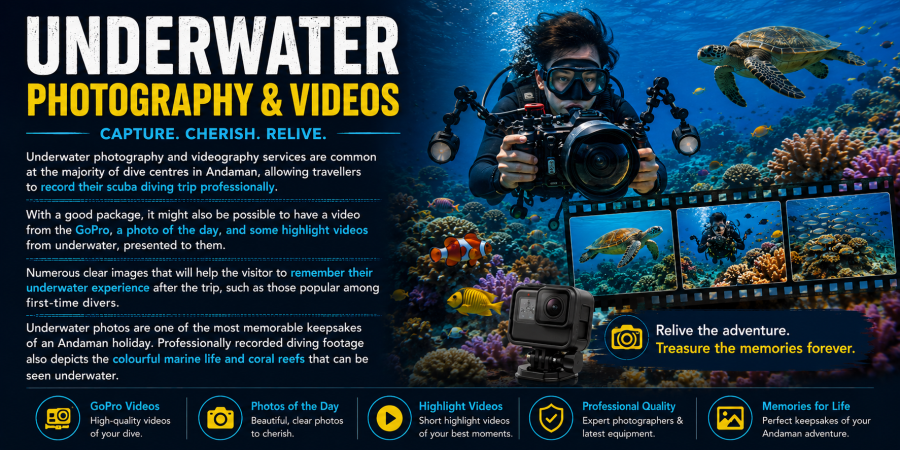
Underground photography and videography services are common at the majority of dive centres in Andaman, allowing travellers to record their scuba diving trip professionally. With a good package, it might also be possible to have a video from the GoPro, a photo of the day, and some highlight videos from underwater, presented to them. Numerous clear images that will help the visitor to remember their underwater experience after the trip, such as those popular among first-time divers. Underwater photos are one of the most memorable keepsakes of an Andaman holiday. Professionally recorded diving footage also depicts the colourful marine life and coral reefs that can be seen underwater.
This ultimate guide to scuba in Andaman takes you on a tune-in to the reasons why the islands are India's top scuba diving holiday spot from any part of the world. From beginner divers to non-swimmers, to certified divers, to honeymoon couples, single travellers, or adventure seekers, the Andaman Islands have scuba diving tours for every level of comfort and mode of travel. The islands are perfect for recreational diving and professional dive training with clear waters, tropical marine life, vibrant coral reefs, and professional dive centres being the perfect environments. Havelock Island, Neil Island, and North Bay each boast their own type of dive locations, from novice to expert, all underwater adventures. Scuba diving is truly a favourite and an integral part of many travellers' Andaman vacation.
Whether you're a novice diver exploring and finding your balance in a tranquil beginner's reef or eagerly negative free diving in massive formations with lots of colourful marine life, diving in Andaman is adventurous, laid back, and will reveal so much more than you can imagine. The sensation of breathing underwater, floating beside coral reefs, and enjoying the proximity of the marine life is the experience of a lifetime. The experience is accessible even for first-time divers and non-swimmers with internationally recognised PADI certifications and professional dive operators to cater to the beginner level. Most visitors do not like diving, and once on the water, they become a lot more excitable, self-confident, and appreciative of the marine environment. While the Andaman Islands are great for all other scuba diving locations, there are few like visiting the uncharted depths under the sea than getting to know the Andaman Islands!
Book Your Andaman Holidays With Our Travel Experts
Enquiry Now
.jpg)

Please fill the form and our expert will get back to you with further details.
As a first-time diver, you are susceptible to nerves, especially when going into the water. But the courses are taught progressively by professionals. But there are places to relax and do some diving for people who are novices, and there are safe underwater conditions for you to reduce your fear. Many people say that they weren't even nervous if they got to breathe underwater.
In fact, you can find plenty of couples who have chosen to add a scuba dive to their Andaman Islands honeymoon. It's a combined dive that will help to improve the experience compared to normal sightseeing. Several dive centres will also offer couples picture-taking solutions under the sea. One of the most romantic adventure activities in the Andaman.
If you're in the exclusive wearing of spectacle category, you don't have to worry about not being able to scuba dive. It is often the most convenient option for those divers who need corrective lenses while diving. In addition, some dive centres will offer prescription masks, which can be purchased if available. Few tourists would find themselves unable to take enjoyment from scuba trips because of their vision.
During light rain, scuba diving activities are normally not greatly affected; this is because the underwater visibility remains constant. Unlike surface conditions, it's just about the sea when looking for dive conditions. There may be occasional changes in the schedules due to safety concerns during heavy storms or rough seas. Weather observation before every dive is taken care of in a particular way by dive operators.
You can dive underwater either by scuba diving or snorkelling. The snorkeller can observe water-dwelling wildlife from the water's surface, while the scuba diver can plunge deeper to explore the water. They meet the marine life and the little island where it happens a coral reef forms through the medium of the scuba diver. Yes, scuba divers, in this respect, it is even more interesting and fun than it would be on their own!
Sadly, many of the novice divers have already encountered their first scuba dives in one of the enclosed tanks filled with colour, corals and all. Specific areas in both Havelock and North Bay are chosen because they have been perceived by the respective areas as optimal for marine visibility and optimal for research conditions. Animals that can be seen include spotted clown fish, sea turtle and tropical reef fish. But it is a partly seasonal and location-dependent coastal fishery.
Havelock Island offers ideal dive conditions, there are excellent waters, still seas, pristine coral reefs and well-trained dive outfitters. There are lots of dive spots possible on the island for all levels of divers. This has some good dives for those who have some experience in diving, as well as an intermediate dive for all beginners. It has the most breathtaking underwater scene with diverse marine species, making it one of the most famous and popular Indian diving sites.
Absolutely, beginner discover scuba diving trips don't require a lot of expertise in swimming. The school may allow a nonswimmer to swim with direct supervision of the instructor. There may be other opportunities to develop self-assuredness via simple utilisation of water. At a later stage of certification-level courses, simple swimming tests may be required.
Yes, many senior dive participants can enjoy diving in the Andaman regions without any kind of preference whatsoever. Normally, there is no maximum age limit. Physical condition and fitness/comfort level are more important than age. There are safety checks carried out by professional instructors before the diving sessions begin.
Indeed, the Andaman diving centres that are reputable have professionally certified scuba instructors and dive masters. There are lots of teachers who are qualified internationally, like PADI. They are trained in diving safety, underwater guidance, and operation. Safety and the diving quality may be significantly improved through the use of certified operators.
Absolutely, wounded limbs are higher than your certified divers, and they will overlook their divers if they are so beenered that they go for more than one dive in a day. Many dive centres even have double dive packages, or sometimes several packages, even for the more advanced diver. The recovery and safety breaks should take place between the laps or dives. Beginners will usually be initiated into diving by one or two “beginner's dive” sessions.
There are lots of people enjoying it for the first time and having a bit of fun, and after a few sessions of scuba diving, they become hooked. A good feeler can open up more and greater relationships with the sea! Courses for certification enable certifiers to be independent and expand diving opportunities around the world. For certain tourists, the scuba diving experience may elapse into something of a pastime or job.
A boat dive site is generally deeper and greater in terms of biological diversity, and goes to more off-the-beaten-track dive sites via a water taxi. Sorting is more likely to be deep and remote, having more marine biodiversity at a boat dive site. Shore dives could prove more convenient and simple to undertake for initial training or those with little diving experience. These experiences present different types of underwater environments based on and relating to their location and the underwater conditions. Both are practised on long trips by the submersibles in the Andaman.
The most thrilling aspect of diving in the Andaman is that it's constantly changing. The allure of this motivates an abundance of divers to keep coming back. Each dive is unique because of the various reefs, marine life and visibility. The islands are also an incredible blend of adventure, tropical scenery and laid-back island lifestyle. Those who love rumination and are really interested in diving can't restrict themselves to a single trip to the Andaman.
This is the reason that their chances of having a memorable scuba diving experience here are completely enhanced by a single dive. Breathing underwater and observing the marine life in detail provides a feeling that is different from routine activities. First timers say that it is a relaxing, invigorating, and personally moving experience, which was something they'll never forget. For all guests staying in Andaman, scuba diving is strongly urged.