
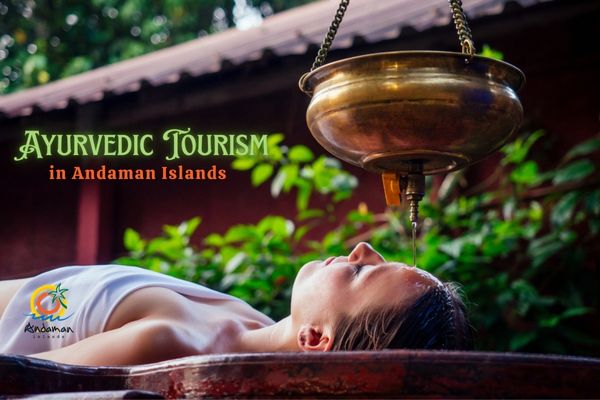
Ayurvedic tourism in the Andaman Islands provides a perfect blend of ancient Ayurvedic science, tropical island climate, pollution-free surroundings, and slow island living that offers the best environment for rehabilitation, rejuvenation, detoxification, and Panchakarma therapy. Additionally, the blend of nature and wellness is what makes Andaman stand out from the traditional Ayurvedic resorts.
Cures are usually supplemented with walks in the sunrise on the beach, meditative sessions in the forest, sea-minded breathing, and yogic activities in the open natural environments. The combination of therapy and nature is a smooth flow that not only makes the body get well faster but also helps provide emotional stability and clarity of mind. To wellness seekers, Andaman is not only a destination to get well, but it is a destination to redefine lifestyle habits, reconnect with inner health, and to embrace sustainable habits based on Ayurveda. Whether one wants to be relieved of chronic illnesses, burnout, or simply a feeling of being more in touch with the natural self, the Ayurvedic tourism in the Andaman Islands is a holistic refuge that allows the healing process to take place in a very soft, natural, and deep way.
Ayurvedic tourism is a health-based tourism in which people are subjected to preventative, curative, and lifestyle-based therapies based on Ayurveda, which is a 5,000-year-old Indian medical system. Ayurveda has been used to restore balance between the body, mind, and consciousness, unlike modern medicine, which tends to treat the symptoms in isolation.
The Tridosha theory is the basis of Ayurveda:
Vata- controls circulation, movement, and nerves.
Pitta- regulates digestion, metabolism, and hormones.
Kapha- maintains immunity, structure, and lubrication.
All Ayurvedic programs are tailored according to the dosha type, lifestyle, emotional stress, diet, and health history of an individual.
The Ayurveda system is very much dependent on climate and environmental conditions, and the Andaman provides the perfect natural environment.
Natural Benefits of Ayurveda:
The conditions are an opening of channels in the body, which makes the therapies such as Panchakarma, detox, and Rasayana operate deeper and more efficiently.
Individuals who are healing up after a surgery, injury, or chronic pain, or are experiencing long-term physical stress, should be subjected to Ayurvedic rehabilitation. Ayurveda does not provide a quick fix to the issue of imbalance; rather, it solves the cause of this issue by using natural means. The practice is based on the idea of healing the body by itself, as it helps to restore the natural healing ability of the body through the correction of the imbalances of doshas, the enhancement of circulation, and the strengthening of weakened tissues. Medicated oil massages and herbal poultices, steam treatments, and internal herbal preparations are some therapies that combine to decrease inflammation, alleviate stiffness, and improve mobility. The use of Ayurvedic rehabilitation is based on a gradual and gentle process of healing, unlike aggressive interventions that enhance long-term healing.
Conditions Commonly Treated
|
Therapy |
Therapeutic Benefit |
|
Abhyanga |
Improves circulation and muscle repair |
|
Kizhi (Herbal Poultice) |
Reduces inflammation and pain |
|
Pizhichil |
Strengthens joints and the nervous system |
|
Swedana (Steam Therapy) |
Relieves stiffness |
|
Internal Herbal Medicines |
Supports long-term healing |
Rejuvenation therapies are made to undo fatigue, burnout, and emotional exhaustion. The programs have been successful among professionals, frequent travelers, and those looking to have anti-aging advantages. Based on Rasayana Chikitsa, rejuvenation therapies are aimed at nourishing the body tissues, boosting the body's immunity, and relaxing the nervous system. Abhyanga, Shirodhara, herbal steam bath, and meditation are some of the therapies that assist in getting rid of the accumulated stress, enhancing sleep, and clearing the mind. Rejuvenation therapies, over time, assist in the deceleration of aging, augment energy, and promote a feeling of long-term health and inner peace.
|
Therapy |
Primary Benefit |
|
Shirodhara |
Deep nervous system relaxation |
|
Abhyanga |
Enhances skin health and circulation |
|
Nasya |
Clears sinus and mental toxins |
|
Herbal Steam Bath |
Improves detox and immunity |
|
Rasayana Medicines |
Promotes longevity |
Lifestyles in the modern world have contributed to the buildup of Ama (toxins) because of unbalanced diets, strenuous workloads, inconsistency in daily schedules, and pollution of the environment. The body is not weakened, and the system is not suddenly affected by these toxins, since a detoxification of the Ayurvedic method removes them gradually. Rather than excessive cleansing, Ayurveda has a step-by-step approach to cleansing the body. The first step is to enhance digestion and metabolism so that toxins are safely released and excreted. Detox is administered by herbs, oil massage, steam, and specially calculated diets that help the liver, gut, and lymphatic system. This step-by-step strategy regulates digestive fire (Agni), increases the absorption of nutrients, and improves the level of energy.
The most significant Ayurvedic detox and rejuvenation therapy is called Panchakarma. It eliminates toxins that are deep-rooted and also restores the dosha balance at a cellular and nervous system level. In contrast to such detox programs on the surface, Panchakarma operates on a systematic and personalized approach that involves pre-treatment therapies, specific cleansing measures, as well as post-treatment rejuvenation. This is an all-inclusive way of going about the process of not just cleansing the body, but also soothing the mind and leveling the emotional state. Panchakarma will help digestion, increase immunity, and efficiency of metabolism, as toxins in deep tissues are eliminated.
|
Panchakarma Therapy |
Purpose |
|
Vamana |
Eliminates excess Kapha |
|
Virechana |
Cleanses Pitta toxins |
|
Basti |
Balances Vata disorders |
|
Nasya |
Clears head and sinus toxins |
|
Raktamokshana |
Blood purification |
Duration: 7–21 days, depending on health goals and body constitution.
|
Program Type |
Duration |
Ideal For |
|
Short Rejuvenation Retreat |
3–5 days |
Stress relief |
|
Detox Program |
7–10 days |
Digestive reset |
|
Panchakarma Therapy |
14–21 days |
Deep healing |
|
Rehabilitation Program |
Customized |
Pain recovery |
|
Lifestyle Correction |
7–14 days |
Long-term wellness |
These practices improve physical healing and promote emotional stability.
In order to make Ayurvedic tourism in the Andaman Islands more holistic, most of the wellness centers and retreats combine the latest classical therapies and yogic cleansing kriyas with the normal treatments. These treatments enhance the process of detoxification, hasten recovery, and enhance the wellness results in the long term. Classical Ayurvedic External Therapies
Udvartana is a dry or semi-dry massage using medicated herbal powders, particularly beneficial for Kapha-related disorders.
Benefits:
Ideal For: Obesity, water retention, lethargy, cellulite, metabolic imbalance
Takradhara is a variation of Shirodhara where medicated buttermilk is poured continuously over the forehead.
Benefits:
Ideal For: Stress disorders, psoriasis, scalp inflammation, emotional imbalance
Lepana involves applying fresh herbal pastes to the affected areas or the entire body.
Benefits:
Ideal For: Skin diseases, joint swelling, localized pain, inflammation
These therapies involve retaining warm medicated oil over specific joints or spinal areas using herbal dough rings.
|
Therapy |
Focus Area |
Benefits |
|
Kati Basti |
Lower back |
Relieves slipped disc, sciatica |
|
Janu Basti |
Knees |
Reduces arthritis pain |
|
Greeva Basti |
Neck |
Improves cervical stiffness |
Netra Tarpana nourishes the eyes by retaining medicated ghee over the eye sockets.
Benefits:
Ideal For: Screen fatigue, dry eyes, early vision issues
Before detox or Panchakarma, Ayurveda focuses on correcting Agni (digestive fire).
Includes:
Benefits:
Snehapana involves consuming medicated ghee or oils in controlled quantities to loosen toxins before Panchakarma.
Benefits:
Many Ayurvedic wellness programs in Andaman integrate Shatkarma (six yogic cleansing techniques) to complement detox and mental purification.
A saline water cleansing of the nasal passages.
Benefits:
A powerful breathing-based detox technique.
Benefits:
A concentration-based kriya involving steady gazing.
Benefits:
A mild yogic cleansing of the digestive tract.
Benefits:
Chanting specific Sanskrit mantras to balance mental and emotional states.
Benefits:
Marma therapy stimulates vital energy points in the body.
Benefits:
Use of sound vibrations through bowls, chants, or instruments.
Benefits:
What sets Ayurvedic tourism in Andaman apart is the integrated approach, where:
Including advanced therapies and kriyas:
|
Season |
Suitability |
|
October – May |
Best for wellness retreats |
|
June – September |
Ideal for Panchakarma |
Note: Monsoon humidity enhances detox by opening body channels, making it the best season for Panchakarma therapy.
|
Factor |
Andaman Islands |
Mainland India |
|
Environment |
Pristine & quiet |
Often crowded |
|
Pollution |
Very low |
Moderate to high |
|
Stress Levels |
Minimal |
High |
|
Experience |
Exclusive & immersive |
Commercialized |
|
Nature Integration |
Very high |
Moderate |
Tourism in the Andaman Islands is not a treatment, but a transformational tourism in Ayurveda. The combination of the ancient wisdom of Ayurveda and the pure nature of the island forms the environment where the healing process becomes deeper, more gentle, and prolonged. Problem-free and off the hustle and bustle of the city, the body and mind naturally readjust. Visitors also come back not only refreshed but also armed with better health, better immunity, a clearer state of mind, and a better sense of balance that stretches way beyond their time in it. In case you have a genuine healing motive, attentive living, and holistic well-being, the Andaman Islands offer one of the strongest Ayurvedic centers in India.
Book Your Andaman Holidays With Our Travel Experts
Enquiry Now
.jpg)



Please fill the form and our expert will get back to you with further details.